CNC chair, stool and bench plans
Seating takes more stress than a table, so these designs use through tenons you glue and clamp. Set the seat height and the size you need, and the joints follow.
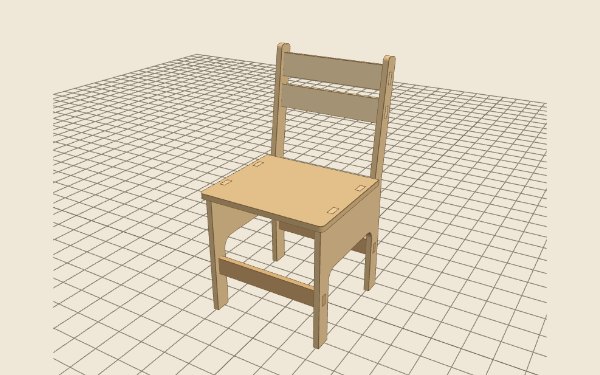
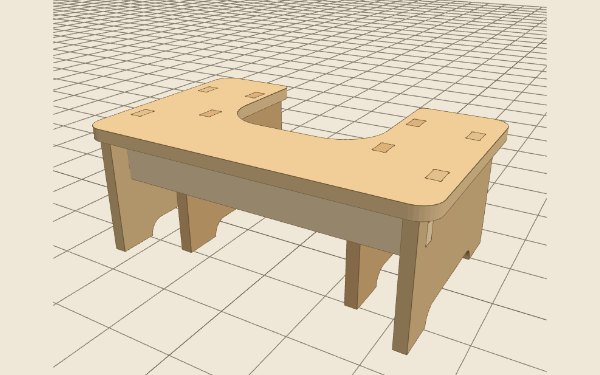
More models are coming soon. Need something special? Ask us for a custom model, or see everything available now.
What to know before you cut
- Use birch plywood or a similar quality board, not MDF, and glue every tenon: a chair takes a lot more stress than a table.
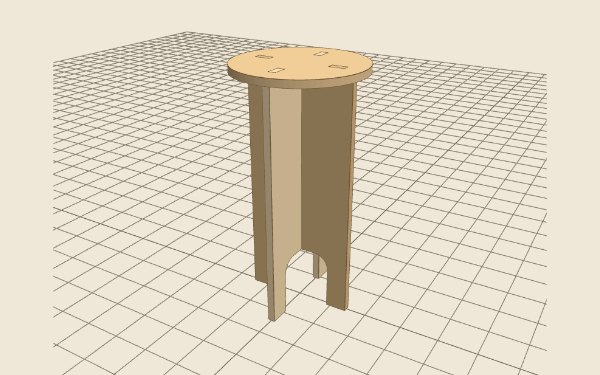
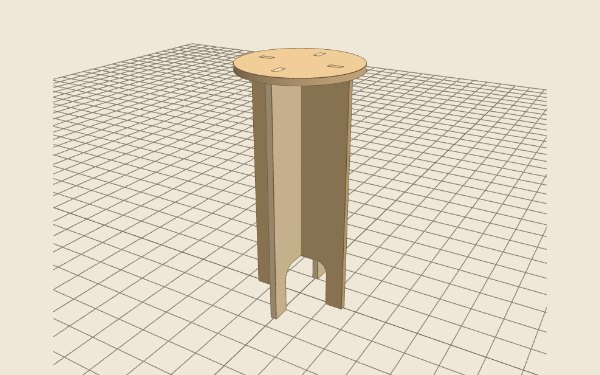
- A regular chair seat is about 18" high, a kitchen counter stool 26" and a bar stool 30".
- Sand every edge well, especially the front of the seat and the backrest slats.
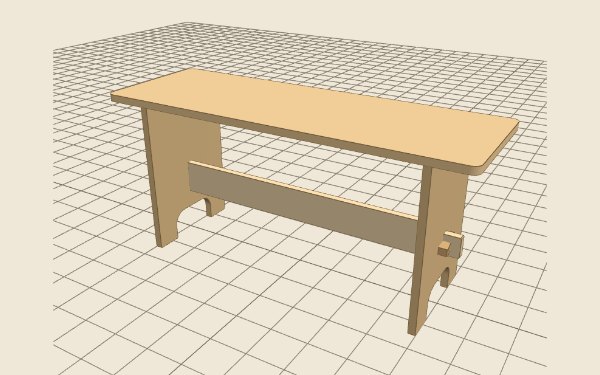
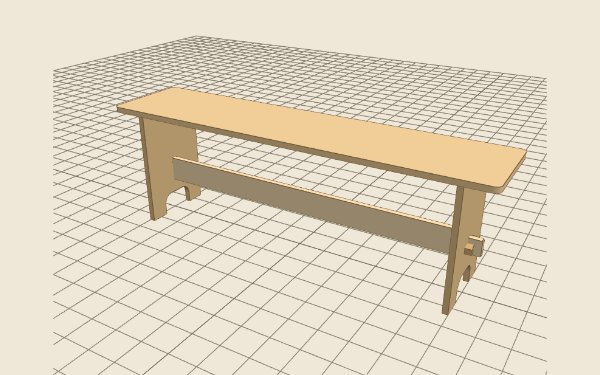
- The bench needs no screws: wedged through tenons hold it, and it comes apart for storage.
- The bathroom footstool is bathroom furniture: use moisture-resistant board and finish every edge.
Frequently asked questions
What plywood should I use for a chair?
Birch plywood or similar, not MDF. Measure the real thickness with calipers and enter it, because every joint is calculated from it.
What backrest angle is comfortable?
Between 6 and 10 degrees is the most comfortable for eating and lingering at the table.
Is the bench strong without screws?
The legs and stretcher lock together with wedges. Glue the tenons for a permanent fit, or leave it dry if you want to take it apart.
Will a tall stool tip over?
The preview warns you when a tall, narrow stool needs a bigger seat to stay stable.
Related
- Free tool: Plywood fit test generator
- Free tool: Desk and chair height calculator
- Guide: Through-tenon vs half-lap joints in plywood furniture
- Guide: Plywood thickness for CNC furniture: why 3/4" isn't 3/4"
- Guide: Best plywood for CNC furniture: what to buy and what to avoid
- Guide: How to finish and assemble CNC plywood furniture
- All furniture plans
Browse by type: Tables · Shelving · Seating · Home · Kids · Entryway · Office · Pets · Boxes & trays · Desk & organizers · Home decor · Christmas · Names & signs